For many years, people considered body contouring as a simple concept: remove unwanted fat and make an area smaller. Cosmetic surgery today is much more nuanced. Doctors are now considering the patient’s body shape, desired shape proportions to fat distribution, as well as skin quality before they recommend an appropriate treatment plan.
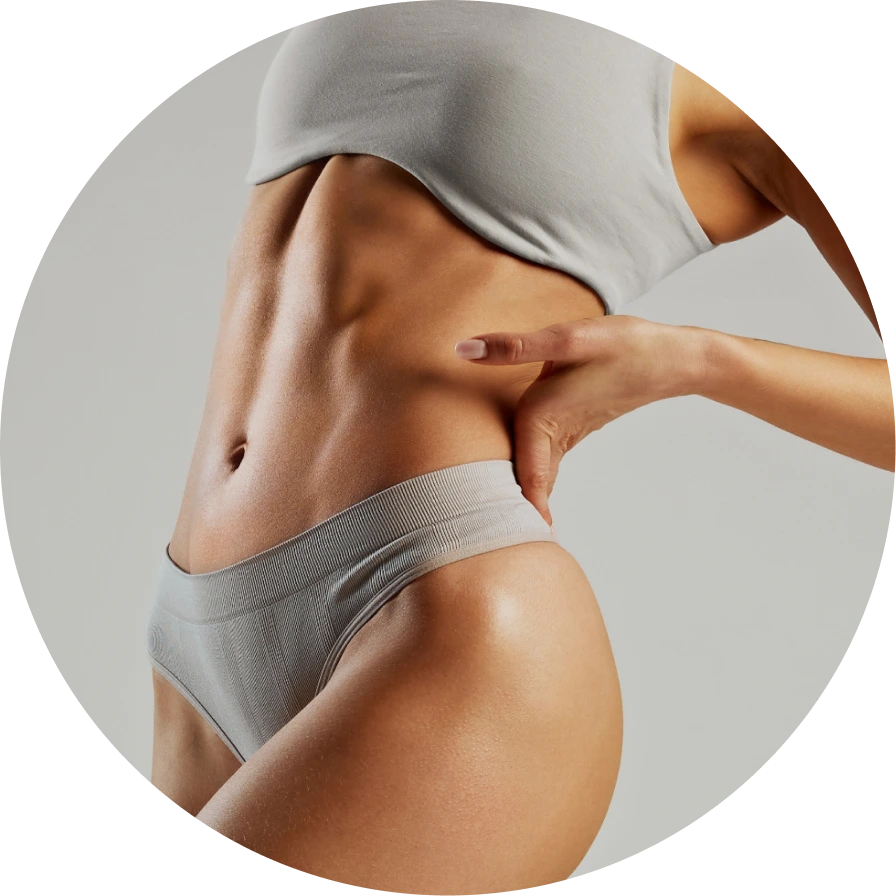
Image credit: prmsurgeons.com
PRM Cosmetic Surgery can customize procedures based on these elements. There are a variety of options from liposuction fat transfer to technologies intended to address skin laxity providing surgeons with a variety of options to approach body contouring instead of relying on only one method.
Proportion is key to a good liposuction procedure.
Patients searching for the best liposuction may naturally focus on how much fat can be removed. It is also important to consider how the removal of fat will impact the overall appearance of your body.
For example, taking away fat from the abdomen may alter the way in which the hips and the waist. The flanks may help clarify this transition. Careful and precise is essential because the aggressive reduction of fat doesn’t always mean better. The goal is to create smoother contours that remain compatible with the person’s body.
PRM is a leading provider of advanced treatments which include tumescent numbing of liposuction. The treatment is customized to match the location being treated as well as the patient’s objectives.
Why skin quality deserves attention
Skin and fat behave in different ways. The procedure of liposuction can help reduce fat deposits. However, the removal of fat doesn’t mean the skin that covers it will shrink exactly the way you want it to.
The topic of skin tightening is one that can be discussed. Factors such as age, genetics, prior weight loss, pregnancy and elasticity levels may affect how the skin reacts following the contouring.
Renuvion® J-Plasma is one technique that could be employed for when tightness of the tissues is a concern in a treatment plan. Instead of considering tightening as an afterthought, surgeons are able to evaluate the skin’s characteristics when determining the initial body contouring technique.
Quantum RF How it Fits into the Conversation
Radiation-based technology also has increased the range of options available to aesthetic medical treatments. Quantum Radiofrequency is another option that can be considered when discussing body contouring or tissue tightening.
Technology is, however, only one component of treatment. It isn’t able replace anatomical knowledge or surgical judgment and it isn’t able to replace a careful selection of the patient. Patients should be aware of the reasons why a particular technology is suggested. They should also be aware of what the device is meant to accomplish and the limitations that can be applied to their situation.
Brazilian Buttlifts Have the Potential to Change More Than Just the Buttocks
A Brazilian butt lift offers a useful example of how contemporary contouring can be a way to connect different parts of the body. The procedure utilizes the body’s own fat that is taken from specific areas of donor and then transfered into the buttocks.
The visual effect results from two different factors that are aimed at reshaping areas in which fat is eliminated, and incorporating the volume when needed. How the final silhouette looks is influenced by the abdomen, waistline, flanks and hips.
The importance of personalized planning is greater Than a Fashion
It is not a good idea to choose a cosmetic procedure solely because it’s well-known. Two people requesting a slimmer waist may have different distribution of fat and skin elasticity, as well as proportions, and expectations.
PRM Cosmetic surgery is a form of the individual approach and offers a variety of body contouring options that are tailored to the individual needs of each patient. Before deciding whether or not surgery is right for you A thorough consultation will enable the patient to talk about their anatomy, the procedure options along with recovery expectations, risks and realistic outcomes.