The owner of a restaurant opens the monthly P&L, looks at sales, skips down to the bottom line and then closes the report.
Are you familiar with the situation?
If only those two numbers are examined the report’s true worth is diminished.
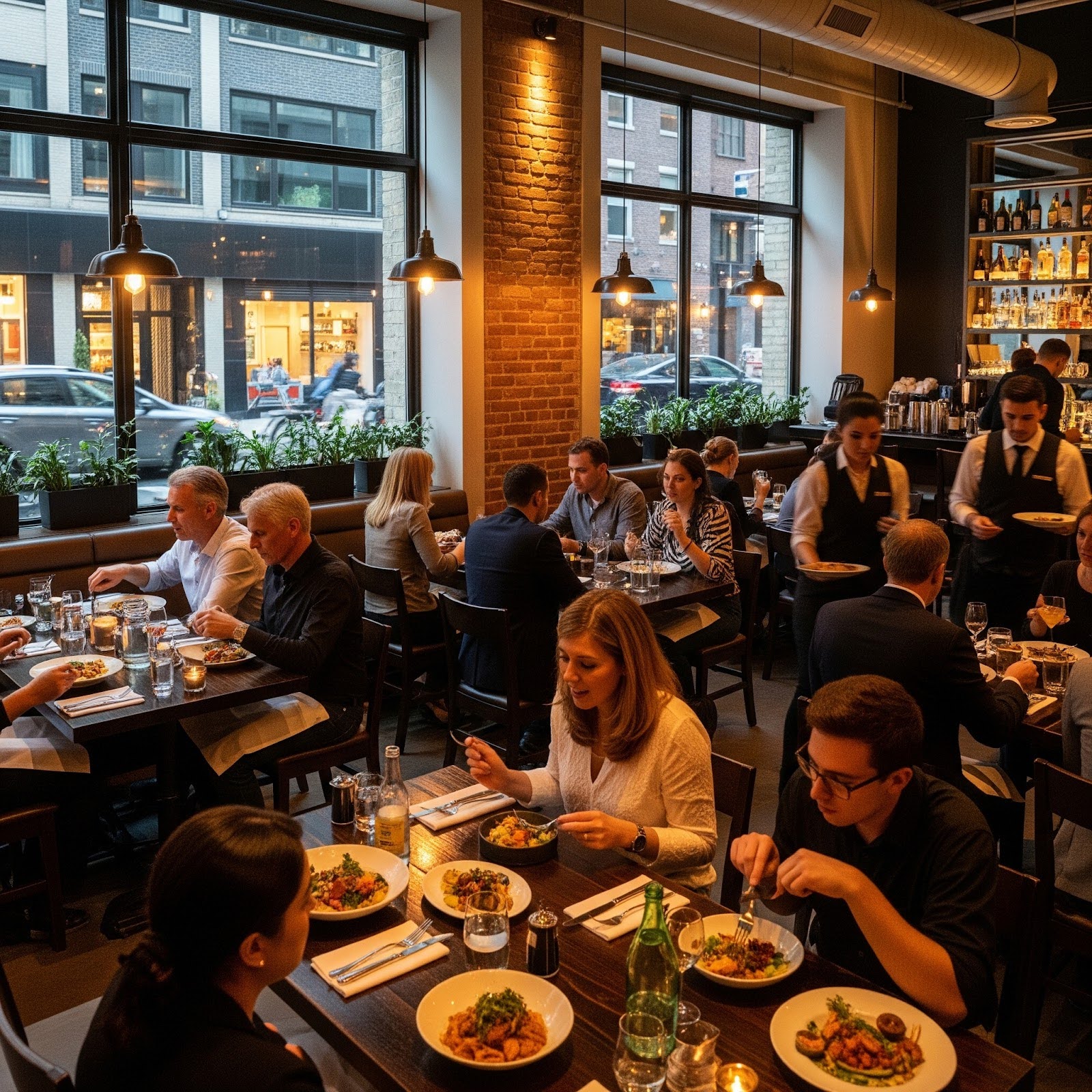
Good restaurant bookkeeping shouldn’t make owners more dependent on an accountant. They should become more comfortable with their own numbers. It’s not necessary to spend the night completing invoices or knowing every accounting principle. It’s essential to know why the profit changed and what transpired with the use of labor and food and which areas require focus next week.
Bookkeeping Chef’s ethos is to automate bookkeeping tasks that do not require the attention of restaurant owners, while providing them with clearer financial data that they can make use of.
Do Not Stop at the month-end Numbers. Start with Weekly Numbers
Restaurants aren’t operating on a monthly basis. Managers plan their labor for this week. Chefs ordered food this morning. Vendors change prices now.
The weekly reports on Bookkeeping Chef’s prime-cost report are published alongside the financial statements for the month.
The prime cost comprises two important aspects that can be easily transferred in a food service establishment: cost of goods sold, and the cost of labor. The information supplied by the Bookkeeping Chef shows that prime costs generally account for 60 percent of sales at restaurants.
Imagine a situation in which sales are barely changing, but prime costs are growing. This percentage doesn’t provide an answer. It gives the owner the reason to conduct an investigation.
Did you notice an increase in hours worked? Did overtime happen? Costs of food changed? The invoice of a vendor was unusually high. Did the sales mix change?
This is much better than having the same issue after a few weeks.
Automate the repetitive Work
DIY bookkeeping doesn’t have to involve manually transferring POS (point of sale) totals into spreadsheets.
Automating bookkeeping for restaurants can assist to reduce the number of times financial data is moved. The service is connected to POS systems such as QuickBooks, QuickBooks, vendor platforms Recipe and inventory management, and Payment instruments/AP.
Automation is not the goal.
It’s to make it easier for manual data entry and keep the financial records updated so that owners have the ability to spend time reviewing data rather than gathering it.
It’s a totally new bookkeeping process for restaurants. Technology takes care of the mechanical aspects and the proprietor remains involved in the financial aspect.
You can also ask more questions regarding P&L
Stop taking your P&L as something that could be an accounting test.
Begin with sales. Examine the costs needed to make the sales. Compare the efficiency of drinks and food. Study the cost of labor. Go through operating costs and then look at what’s left.
In addition, it is important to compare timeframes.
If the sales rise but the profits aren’t, it is an alteration between them. What changed when the cost of food were rising? Examine sales and staffing levels to determine if the labour percentage has changed. Find any data that seems odd rather than just assuming that the restaurant experienced a poor week.
Bookkeeping Chef will send monthly P&Ls on five working days. This allows owners to view recent results without having to wait for financial statements which usually arrive months after the conclusion of an operating time.
If you are a restaurant owner looking for bookkeeping solutions, speed is a must but understanding is the main aim.
It’s not necessary to do everything.
You can find a compromise between hiring someone else to manage your financial needs and being your own full-time accountant.
Owners can still be involved in the accounting process, without being required to do every job by hand.
It could involve connecting to automated systems to maintain information flow through, examining a weekly prime cost report, looking at the monthly P&L and posing questions when something is happening unexpectedly.
A specialist in restaurant bookkeeping can aid in this way by making sure that the books are organized and helping the restaurant owner understand what they mean.
It is very unlikely to get an accountant that can do all the functions.
A business owner can talk to an P&L regarding the company.
The Objective Is Financial Independence not More Reports
Restaurants already generate massive amounts of data. Dashboards don’t always make sense.
The most valuable thing is when an employee can look at the weekly report of prime cost and recognize that something was different, then look at the P&L and know what to do next.
Bookkeeping Chef’s method incorporates automation of bookkeeping in restaurants weekly reporting along with monthly P&Ls and special financial assistance to restaurants in order to enable this.
Automate repetitive tasks. Check your prime costs every week. Study the language used in your P&L.
You do not need to be an accountant to be an.
It is important to understand the financials of your establishment before you become an owner.